Lately, I have been making important entries concerning history less known on Face Book, Instagram and Twitter with limited word
count. Therefore I am missing out on Blog Posts. As all these entries have been
important, I am reproducing these here for record. These issues cover important
historical facts regarding Sardar Sarovar Project and Narmada Bachao Andolan,
Manuben Gandhi, Gandhiji’s adopted daughter Lakshmiben, Noakhali and so on.
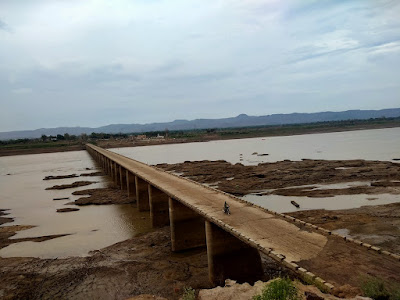
1. #Rajghat Bridge,
Badwani, Madhya Pradesh: Gradual submergence of the Rajghat Bridge, in the
Sardar Sarovar dam (Photos by Golu Sen).
Hundreds of villages, temples, trees, sacred groves, thousands of hectares
of forests and prime agricultural lands, archeological sites on the banks of
the Narmada River have drowned/ destroyed. Part of the dam waters have been
diverted for the cosmetic Sabarmati River Front and Statue of Unity related
iron- steel - cement tourism.
सरदार
सरोवर बांध में राजघाट पुल का धीरे-धीरे डूबना (फोटो गोलू सेन)।
नर्मदा
के किनारे सैकड़ों गांव, मंदिर, पेड़, पवित्र उपवन, हजारों हेक्टेयर जंगल और प्रमुख कृषि
भूमि, पुरातत्व स्थल डूब गए हैं / नष्ट हो गए
हैं।
बांध के
पानी का एक हिस्सा साबरमती रिवर फ्रंट और स्टैच्यू ऑफ यूनिटी से संबंधित
लौह-इस्पात-सीमेंट वाला पर्यटन के लिए मोड़ दिया गया।
 |
| Photo Credit: Golu Sen |
 |
| Photo Credit: Golu Sen |
 |
| Photo Credit: Golu Sen |
 |
| Photo Credit: Golu Sen |
2. #SabarmatiAshram when under threat, I cannot help
recalling this conversation recorded in Mahatma Gandhi's close aide Mahadevbhai
Desai's Diary-Part-2, (Year 1933) excerpts translated verbetim from Gujarati to
English
[Page 297] [Mahadevbhai] : “…Five
students of Pune College came to meet. All were untouchables (Dalits) and from
their way of talking and intelligence it seemed like they are growing
Ambedkars. They asked many questions to Bapu, “…Why are you not keeping us in
the administration of untouchability removal mandal...?”
“Bapu: …Ambedkar had also asked the same thing. I had explained to him
that it is not possible. You cannot make such a demand. When can you make such
a demand? When you are independent. If this mandal was not established for you
with the view of repentance dharma, then I would say that not fifty percent but
all hundred percent should be your people. But these people are debtors.
Debtors should understand how they can clear their debt. The debtors cannot
take suggestion from you as to how they can clear their debt."
Today almost 90 years later, I wonder how many Dalits are on the many
Gandhian trusts across the country and whether their equal representation in the
trusts would have helped in fighting a strong battle to stop the takeover of
the Sabarmati Ashram by the right wing BJP government in Gujarat for its
luxurious make over...
For more on recordings in Mahadevbhai's diaries, visit other posts put up on this blog.
3. #Jamsingh (bhai) Nargave, an obituary to one of the senior leaders
of Narmada Bachao Andolan: Last salute to a senior leader of Narmada Bachao Andolan, Jamsinghbhai
Nargave from his predominantly adivasi village Amlali, which now is submerged
in the Sardar Sarovar Project. Here, Jamsinghbhai, with the Narmada River in
the background once upon a time flowing free by his village. Jamsingbhai and
his wife Ramibai, faught with all their might to keep the Narmada free.
सरदार सरोवर परियोजना में डूबे आदिवासी
बहुल ग्राम अमलाली के नर्मदा बचाओ आंदोलन के वरिष्ठ नेता जामसिंगभाई नरगावे को
आखरी जिंदाबाद। इधर, जामसिंगभाई पृष्ठभूमि में नर्मदा नदी जो अपने गाँव से कुछ साल पहले तक
मुक्त बहती थीं। जामसिंगभाई और उनकी पत्नी रामीबाई ने नर्मदा को मुक्त/अवीरल बहने
के लिए अपनी पूरी ताकत से लडे और अथक प्रयास किया।
 |
| Photo Credit: Nandini Oza |
4. # Ferkuva – Sangharsh Yatra- Long March of Narmada Bachao Andolan in 1990-91:
31 years today of being at absolute loggerheads/struggle with my home
state's "Gujarat Model". Being on the opposite side of the fence got
consolidated for me at Narmada Bachao Andolan's Ferkuva/Long March (Photo below
of Ferkuva-Gujarat border) in December 1990 where Gujarat Government stopped us
along with
thousands of affected people by deploying hundreds of police, religious
heads, Gandhian stalwarts and some NGOs. Although not allowed to enter State
then and branded anti-Gujarat, there has been no looking back for me ever since-
from the time when Chimanbhai Patel, the then CM called the Sardar Sarovar
Project Gujarat's "Jeeva Dori" (Life Line) to Narendra Modi calling
it Gujarat's Asmita (Pride).
The going has been tough but most exhilarating with fellow travellers
from Gujarat like the adivasi leaders of NBA - Baliben Tadvi , Kapilaben Tadvi
, Shanker Kagda, Bhula Moti, Bhima Tadvi...stalwarts of Lok Adhikar Sangh like
Girishbhai-Kusumben, left activists of Vadodra Kamdar Union like Rohit
Prajapati... Writer Ashwinee Bhatt, Gandhians like Jyotibhai Desai, Dinkarbhai
Dave...also Himanshu Thakker and innumerable others difficult to list here...
 |
| Photo Credit: NBA Collective |
अपने गृह राज्य के "गुजरात
मॉडल" के साथ पूर्ण संघर्ष के 31 साल आज। दिसंबर 1990 में नर्मदा बचाओ आंदोलन के फेरकुवा/लॉन्ग मार्च (नीचे की तस्वीर) में मेरा
मेरे राज्य के विकास मोडेल के विपरीत दिशा में रहेना समेकित हो गया। फेरकुव जहां गुजरात
सरकार ने सैकड़ों पुलिस, धार्मिक प्रमुखों, जाने माने गांधीवादीयों को तैनात करके हमको, हजारों प्रभावित लोगों के साथ रोका था
। तब राज्य में प्रवेश करने की अनुमति नहीं दी गई थी और गुजरात विरोधी ब्रांड किया
गया था। तब से कभी पीछे मुड़कर नहीं देखा- उस समय से जब तत्कालीन मुख्यमंत्री
चिमनभाई पटेल ने सरदार सरोवर परियोजना को गुजरात की "जीवा डोरी" (जीवन
रेखा) कहा था और आज तक जब नरेंद्र मोदी इसे गुजरात की अस्मिता (गौरव) बता रहे हैं।
गुजरात मोडेल विरोधी ये यात्रा कठिन पर
अन्य गुजरात मोडेल वीरोधी साथियों के साथ बेहद उत्साहित रही हैं जेसे की आदिवासी नेता बालिबेन तड़वी, कपिलाबेन तड़वी, शंकर कागड़ा, भूला मोती, भीमा तडवी... लोक अधिकार संघ के दिग्गज, गिरीशभाई पटेल -कुसुमबेन, वडोदरा कामदार संघ के लेफ्ट
कार्यकर्ताओं जैसे रोहित प्रजापति ... लेखक अश्विनी भट्ट, ज्योतिभाई देसाई, दिनकर दवे जैसे गांधीवादी ... हिमांशु
ठक्कर और असंख्य अन्य ...
5. # Gandhiji's adopted daughter Laxmi (daughter of the Dalit couple Dudabhai and Daniben Dafda and a freedom fighter), in her interview: "After my husband's death, I wanted to come to live in the (Sabarmati) Ashram, but Laxmidas Asher... said that I could live there only on the condition that I donate to the ashram all the jwellery I possesed and hand over to them the 1000 rupees I had received as insurance on my husband's life. Then I was to work for eight hours in the ashram to earn my board and lodge. But I could not agree to this as I had two little children to think of and so I refused the offer and decided to stay outside..." I recalled these strict conditionalities of the Sabarmati Ashram that were not waived even for Gandhiji's daughter and a freedom fighter who was sent to jail more than once, while she was so vulnerable, as the Sabarmati Ashram is up for grabs today and being handed over to builder's lobby.
For more on Laxmi's interview, interview credit and her photo credit
please visit: https://nandinikoza.blogspot.com/search?q=laxmi
 |
| Photo Credit: Wikipedia and Gandhian Archives |
6. # Women too have helped build this country:
My mother, Dr. Annapurna Oza who after studying medicine in Jamnagar
went on for further studies in obstetrics and gynaecology to Rotunda City
Hospital, Dublin and later to Baltimore City Hospital, USA in the early 1950s,
has been a very active practising doctor ever since, till recently, i.e. till
Covid struck in 2020.
On returning to India in the mid-1950s, my mother based on her
principles only worked in charitable trust hospitals. She first started
practising in a charitable hospital in the dusty - small town of Wadhwan,
Gujarat. The going was tough as she also travelled at night to attend difficult
deliveries in the surrounding villages and by doing so, she saved many lives.
For mummy, practising medicine is social service and she stuck to her principles
of very modest monetary returns. But her knowledge, dedication and experience
made important personalities visit this hospital in Wadhvan to understand
women’s health issues in rural India back then in 1950s and 1960s.
In the two photos my mother is seen explaining women’s health issues and
challenges to Sri Prakasa, the Governor of Bombay from 1956- 1962 and Shri
Mehdi Nawaz Jung, the Governor of Gujarat, 1960-65. Out of the three other
women in photo-2, the two in white sarees (one hidden behind my mother) were
the dedicated head nurses of the hospital, Late Lakhsmiben Pai and Late
Sumatiben Parkhe.
Other known personalities too visited but those were pre photo days…
 |
| Photo Credit: Not Known |
 |
| Photo Credit: Not Known |
महिलाओं
ने भी इस देश को बनाने में मदद की है:
मेरी
माँ, डॉ. अन्नपूर्णा ओझा, जो जामनगर में चिकित्सा का अध्ययन करने
के बाद, 1950 के दशक की शुरुआत में रोटुंडा सिटी
अस्पताल, डबलिन और बाद में बाल्टीमोर सिटी
अस्पताल, यूएसए में प्रसूति और स्त्री रोग में
आगे की पढ़ाई के लिए चली गईं, तब से एक बहुत ही सक्रिय चिकित्सक हैं-
बस कुछ समय पहले तक, यानी जब तक कोविड का प्रकोप नहीं हुआ –
2020 तकी!
1950 के दशक के मध्य में अमरीका से भारत
लौटने पर, मेरी माँ ने अपने सिद्धांतों के आधार
पर हमेशा ट्रस्ट अस्पतालों में काम किया। उन्होंने गुजरात के वढ़वाण, जो एक धूल भरा छोटा सा शहर था, वहा ट्रस्ट अस्पताल में काम करना शुरू
किया। उसकी यात्रा बहुत कठिन थी क्योंकि वह रात में भी आसपास के गांवों में महिलाओ
के कठिन प्रसव के लिए यात्रा करती थी - लेकिन ऐसा करके उसने कई महिलाओ की जान
बचाई। माँ के लिए, डॉक्टरी एक सेवा है और वह बहुत मामूली salary लेकर अपने सिद्धांतों पर अडिग रही। लेकिन उनके ज्ञान, समर्पण और अनुभव के कारण, महत्वपूर्ण हस्तियों ने 1950 और 1960 के दशक में ग्रामीण भारत में महिलाओं
के स्वास्थ्य के मुद्दों को समझने के लिए इस धूल भरे शहर वढवाण और उसके अस्पताल का दौरा किया।
दो
तस्वीरों में मेरी मां गुजरात के 1960-65 के
राज्यपाल, श्री मेहदी नवाज जंग, और श्री प्रकाश, 1956-1962 तक बॉम्बे के राज्यपाल को महिलाओं के
स्वास्थ्य के मुद्दों और चुनौतियों के बारे में समझाती दिख रही हैं। अन्य
जानी-मानी हस्तियों ने भी दौरा किया लेकिन उन दिनों काम ज्यादा फोटो कम थे…
7. # Manuben Gandhi: Gujarati women like Manu Gandhi, just in her teens - a lone
young girl walked with Gandhiji in riot torn Noakhali and Mridula Sarabhai
worked in riot torn Bihar at the time of partition & our @PMOIndia feels
unsafe with his z+ security during peace time 
 |
| Photo Credit: Wikipedia |
8. #Narmada Bachao Andolan and Gujarat: From physical to digital:
As Narmada Bachao Andolan activists we often campaigned in the supposed
beneficiary areas of Sardar Sarovar Project (SSP) in Gujarat. Often it happened
that at the last minute, due to government threats and fear of arrests, organizers/hosts would cancel the venue provided to NBA for a public program or
display of anti-SSP literature. Nevertheless, to continue our work of
generating awareness + counter government propaganda, at such times we would
just take a hand cart and display NBA literature outside Gujarat mohatsav
grounds or any mela  . I recall in Bhuj,
police confiscated NBA literature and put some activists with me in the police
station for the night. It did not deter us from continuing our activities. This
photo is in Dwarka - trying to tell people they were not going to get
SSP-Narmada Waters and should focus on decentralised water management programs.
. I recall in Bhuj,
police confiscated NBA literature and put some activists with me in the police
station for the night. It did not deter us from continuing our activities. This
photo is in Dwarka - trying to tell people they were not going to get
SSP-Narmada Waters and should focus on decentralised water management programs.
 |
| Photo Credit: NBA Collective |
9. # Dams and Animals/ Wildlife: cause havoc to wildlife and animals & this is
terribly underreported. I recall some 27 years back when I was talking to a 80+
adivasi oustee in Dharampuri resettlement site and asked him, what is it that
he was most sad about on leaving his ancestral village Vadgam, (the first to
submerge in the Sardar Sarovar dam waters) and what did he want us to do?
He said: " the Sardar Sarovar Nigam people did not bring my dog
with me here to the resettlement site and he is left behind in Vadgam, could
you go look for him and see if he is well?"
I visited Vadgam often after that- now deserted and only a vast expanse
of hills and forests and dam waters but did not have the heart to tell the old
man that I could not find a single dog. Often, adamant milch cattle also were
left behind as these could not be transported to far away resettlement sites...
In the photo below dogs refuse to leave the now submerged Chikhalda
village and homes and live surrounded by dam waters. Kind Samaritans go to
Chikhalda by boat and give chapatis to these dogs refusing to move from
partially submerged homes. Photo Shripad Dharmadhikary
 |
| Photo Credit: Shripad Dharmadhikary |
 |
| Photo Credit: Shripad Dharmadhikary |


